2nd Cohort in California’s 100-Day Challenge Initiative on Homelessness Wraps Up
The Results
Last month, San Francisco, Santa Barbara, and Sonoma County completed their 100-Day Challenge, and came together to take part in the Sustainability Workshop - to celebrate their achievements, share their learnings, and begin to make plans for the future. As a cohort, these three communities were able to safely and stably house 240 people in just 100 days!
At the Launch Workshop, each community committed to an ambitious 100 day goal, ranging across different focuses - from single adults to veteran to youth and young adults. Each goal also had a focus on equity built in:
San Francisco - In 100 days, we will connect 175 COVID-19 vulnerable single adult guests experiencing homelessness to safe and stable housing (leveraging Rapid Re-Housing & shallow subsidy resources) with prioritization of people who are Chronically Homeless and/or have disabling conditions. 70% will identify as Black, Indigenous, or People of Color.
Santa Barbara - In 100 days, we will connect 75 veterans experiencing homelessness to safe and stable housing, with 100% offered supportive services. We will exercise sensitivity to the needs of veterans with families and female veterans.
Sonoma - In 100 days, we will connect 65 Transition Age Youth (TAY) to housing with a special focus on (28%) LGBTQ+ and (65%) on youth who identify as Black, Indigenous, or People of Color. In addition to housing TAY youth, the Sonoma County 100DC will reshape and reimagine our homeless response system in order to ensure housing accessibility to the maximum number of youth possible.
The communities were able to make significant progress towards their goals in 100 days, strengthened their homeless response systems, and kept a lens on equity:
San Francisco - Exited 135 COVID-19 vulnerable single adults guests from Project Roomkey sites into safe and stable housing - with 55% identifying as BIPOC.
Santa Barbara - Safely and stably housed 46 veterans experiencing homelessness - with 100% being connected to supportive services. Also achieved proportional over-representation of female veterans.
Sonoma - Connected 59 Transition Age Youth to safe and stable housing - with 59% being BIPOC. There are an additional 32 people with vouchers awaiting placement.
Read More



Sarah Robens becomes the new CEO of RE!NSTITUTE

We are delighted to share THIS REPORT which outlines how the 100-Day Challenge methodology has supported over 100 teams in 24 Mexican cities in 14 states in 7 years, as well as teams in the Dominican Republic and Honduras, to operationalize a people-centered approach to support the resolution of thousands of criminal cases, improve the quality of victims’ services, prevent femicides and build belief and momentum in change across Mexico and Latin America. We share people- driven innovations that have supported these results and how they were created. We analyze the lessons learned, including where we have fallen short and what the approach can teach us all about how we balance the inherent tension between the need for short-term results and the long hard journey to more accountable and fair justice systems everywhere.


A look back at our role as a founding partner of Nesta's People Power Results program as they reflect on 10 years of work.

Multi-sector approaches to homelessness response have been proven effective at more quickly and efficiently addressing homelessness in communities across the country. The research literature suggest ways of tackling the complexity of multi-sector coordination, and here we highlight examples from past 100-Day Challenges where communities have woven together expertise and services from their housing, healthcare, employment and education sectors.

Starting in October 2022 and ending in February 2023, Palm Beach County(PBC) Conducted a 100-Day Challenge® to both house and connect to service people experiencing homelessness and living with HIV.

That is our objective (to protect women and save lives). This innovation was born because we had a crisis on our hands of missing persons; It all started with a viral post through social media for a missing young woman.

Our 100-Day Challenges produce amazing ideas, innovations, and actions that create meaningful change, helping our teams achieve their unreasonable but believable goals. These innovations can be small or large, disruptive, or the start of a slight ripple; some are temporary, and others permanent. However they work, they all make things different, affecting systems in such a way that the changes we see as a result of a 100-Day Challenge last.
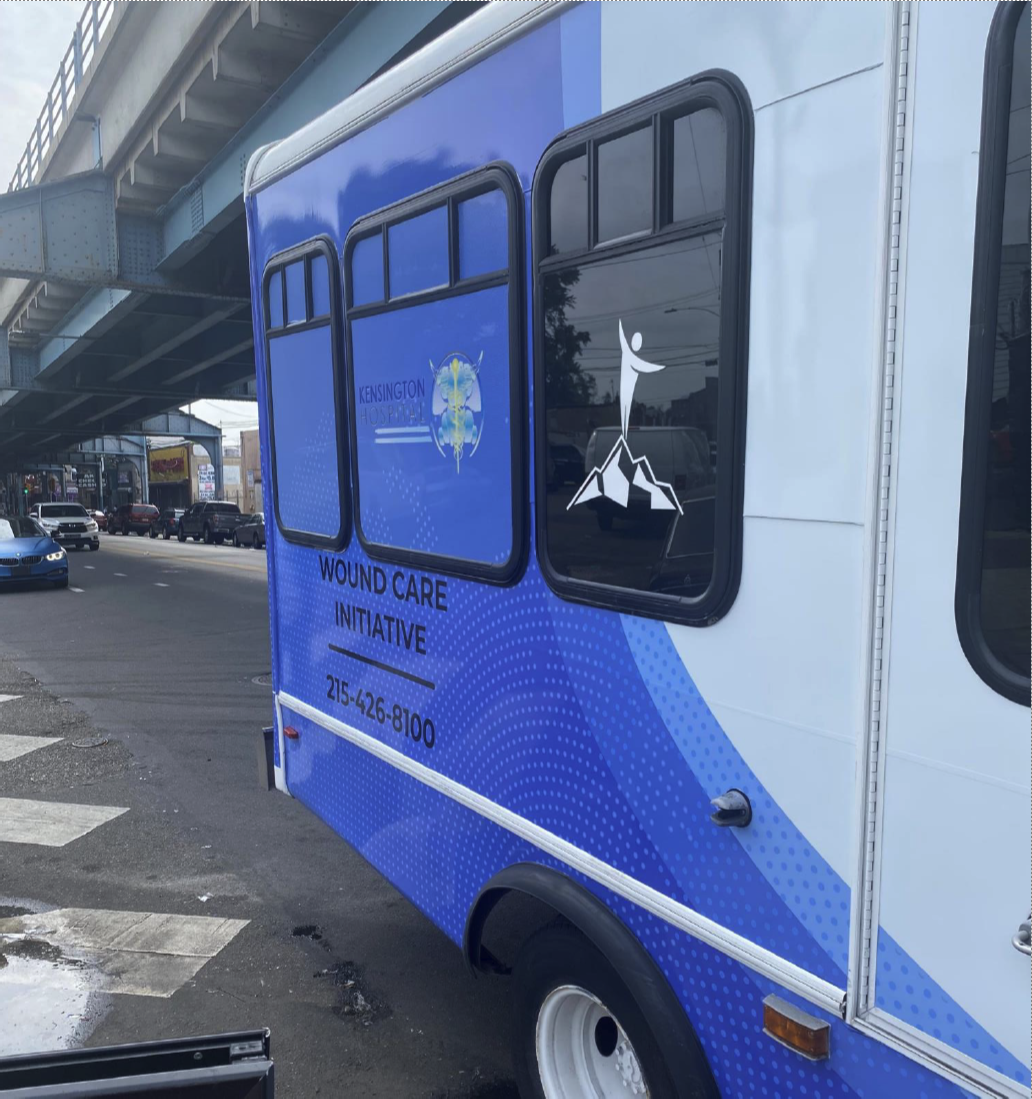
Treatment of wounds is a prerequisite for entering shelters and residential recovery programs. Most shelters have strict rules around substance use, which can be a barrier to entry for some; treating wounds is a first step toward recovery. Untreated wounds can lead to infection and, in extreme cases, amputation. This increases long-term health needs and can make permanent housing placement more difficult.
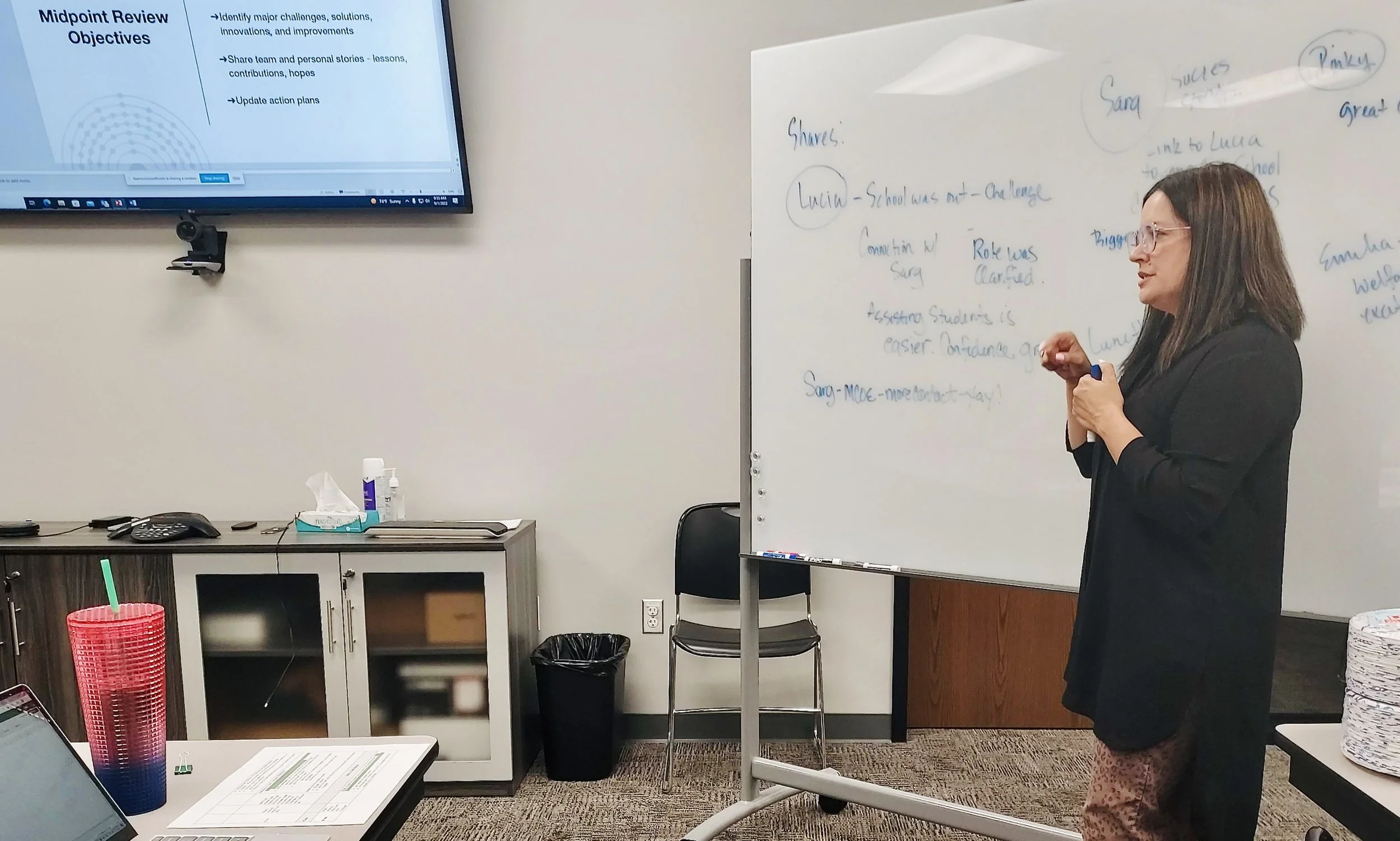
"Holy moly, it was, like, a pop!" - Christy McCammond, Program Manager at Merced County Human Services Agency

As a part of our journey to make equity a central part of what we do and an actionable part of our internal and external policies and practices, we hope to be transparent and share highlights of what we’ve learned and unlearned. We will be the first to own that this is a journey without a reachable destination, and we humbly acknowledge how far we still have to go but share these lessons in the hope that they will be helpful to others on their own equity journeys.


Catalyzing frontline staff to create successful, innovative solutions to complex challenges is a positive step in itself. But when those innovations are taken and adopted in a different area, the impacts are massively increased, and the possibility of wide-scale, systemic change starts to become a reality. This is what happened with one of the innovations generated through RE!NSTITUTE's 100-Day Challenge methodology.

Rapid Results Institute has now become RE!NSTITUTE, still offering the same impactful methodologies and partnerships.

Bringing together four California communities to discover new pathways to helping vulnerable populations move toward safe and stable housing.

“People deserve a seat at the table they’ll be discussed at.” – Sean Whitten, RE!NSTITUTE CEO