Creating a network
Learn what surprised Arek
“My role is two-fold. I’m a Rapid Results Catalyst and I’ll be working on the TenSquared Workplace Safety Program with Taya and our partner Social Accountability International. I’m really excited to be part of that team as we launch in to more countries. My other role is as a Network Catalyst and we have created this as there are a lot of people out there who have been trained in the past and carry out Rapid Results coaching services or they conduct what we call Rapid Results Initiatives. So my role will be to find, connect and share stories with these people and to help build a way to train and certify these people and new people going forward.”
When she first learned about the work of the Rapid Results institute five years ago, Arek became an instant advocate and fan – and when she finished her work with the London 2012 Olympic games, she started to volunteer for RRI on occasional small projects.
“For a long time I looked for things that were going to connect my background of basketball, competitiveness and coaching with my background in international relations and development and Rapid Results was a perfect place for me to connect those two worlds.”
Arek grew up with her family in Great Britain, but her father is from South Sudan and the family has stayed focused on the people of that country over the years.
Rapid Results Initiatives continue to flourish on the African continent and Arek believes she knows why, “ They can have a say in the process of achieving goals that directly affect their lives. And because that puts them in a place where they have to be responsible and they’re not just told what they’re supposed to do that makes a huge difference.”
Arek knows she and Rapid Results have challenges ahead of them not just in Africa but elsewhere in the world, to find the right people to become part of the success of Rapid Results and its unique methodology, helping to create meaningful and sustainable change.
“ We’re looking for people who are driven and who want to see change in their communities. Who can teach and share and push conversations in a positive direction and in the case of Africa, can speak the various languages to help them connect with the people.”
Arek admits these are just some of the qualities she and Rapid Results are looking for and the role and Rapid Results requirements evolve over time to make sure people and processes remain current and relevant.
One thing she is determined to see happen in 2016 though is an event, hopefully in Africa, that will help to connect many of the existing RRI coaches and allow everyone to get together for the first time.
If you are interested in being considered as a Rapid Results Coach in Africa or elsewhere in the world or are a company or organization that would like to know more about Rapid Results ground-breaking work, then contact us.
Read More
Sarah Robens becomes the new CEO of RE!NSTITUTE
We are delighted to share THIS REPORT which outlines how the 100-Day Challenge methodology has supported over 100 teams in 24 Mexican cities in 14 states in 7 years, as well as teams in the Dominican Republic and Honduras, to operationalize a people-centered approach to support the resolution of thousands of criminal cases, improve the quality of victims’ services, prevent femicides and build belief and momentum in change across Mexico and Latin America. We share people- driven innovations that have supported these results and how they were created. We analyze the lessons learned, including where we have fallen short and what the approach can teach us all about how we balance the inherent tension between the need for short-term results and the long hard journey to more accountable and fair justice systems everywhere.
A look back at our role as a founding partner of Nesta's People Power Results program as they reflect on 10 years of work.
Multi-sector approaches to homelessness response have been proven effective at more quickly and efficiently addressing homelessness in communities across the country. The research literature suggest ways of tackling the complexity of multi-sector coordination, and here we highlight examples from past 100-Day Challenges where communities have woven together expertise and services from their housing, healthcare, employment and education sectors.
Starting in October 2022 and ending in February 2023, Palm Beach County(PBC) Conducted a 100-Day Challenge® to both house and connect to service people experiencing homelessness and living with HIV.
That is our objective (to protect women and save lives). This innovation was born because we had a crisis on our hands of missing persons; It all started with a viral post through social media for a missing young woman.
Our 100-Day Challenges produce amazing ideas, innovations, and actions that create meaningful change, helping our teams achieve their unreasonable but believable goals. These innovations can be small or large, disruptive, or the start of a slight ripple; some are temporary, and others permanent. However they work, they all make things different, affecting systems in such a way that the changes we see as a result of a 100-Day Challenge last.
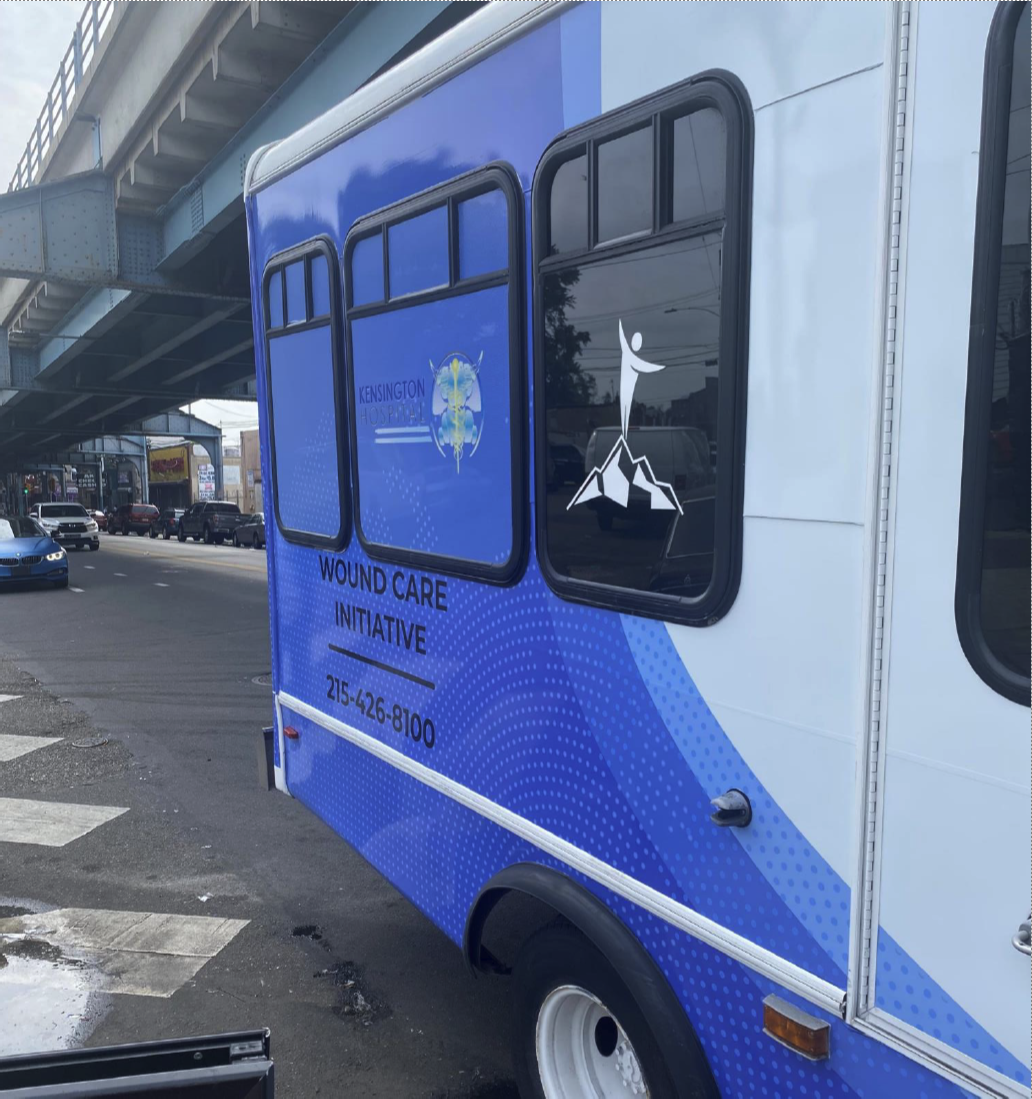
Treatment of wounds is a prerequisite for entering shelters and residential recovery programs. Most shelters have strict rules around substance use, which can be a barrier to entry for some; treating wounds is a first step toward recovery. Untreated wounds can lead to infection and, in extreme cases, amputation. This increases long-term health needs and can make permanent housing placement more difficult.
"Holy moly, it was, like, a pop!" - Christy McCammond, Program Manager at Merced County Human Services Agency
As a part of our journey to make equity a central part of what we do and an actionable part of our internal and external policies and practices, we hope to be transparent and share highlights of what we’ve learned and unlearned. We will be the first to own that this is a journey without a reachable destination, and we humbly acknowledge how far we still have to go but share these lessons in the hope that they will be helpful to others on their own equity journeys.
Catalyzing frontline staff to create successful, innovative solutions to complex challenges is a positive step in itself. But when those innovations are taken and adopted in a different area, the impacts are massively increased, and the possibility of wide-scale, systemic change starts to become a reality. This is what happened with one of the innovations generated through RE!NSTITUTE's 100-Day Challenge methodology.
Rapid Results Institute has now become RE!NSTITUTE, still offering the same impactful methodologies and partnerships.
Bringing together four California communities to discover new pathways to helping vulnerable populations move toward safe and stable housing.
“People deserve a seat at the table they’ll be discussed at.” – Sean Whitten, RE!NSTITUTE CEO