Sharing experiences
It’s been eighteen months since the nationwide 25Cities initiative was started to help cities accelerate their existing efforts to bring an end to veteran and chronic homelessness.
For the first time, since the launch of the campaign in Washington DC in May 2014, 15 of the 25 cities came together for a convening in Los Angeles supported by Community Solutions, Atlas Research, The Rapid Results Institute and federal partners including the US Department of Veterans Affairs, USICH and HUD
The purpose? To get together to share experiences, best practices, keep momentum going and see if lessons learned in one city could help another.
Each city had its story to tell. The Las Vegas team in particular talked about their breakthrough of engaging landlords and property management companies directly to not only link up veterans to individual properties but also signing a ‘Memorandum of Understanding’ with them to create a partnership, allowing direct referrals, between the parties, to get vets in to properties more quickly, making landlords a true part of ending veteran homelessness in the city.
The team of coaches and facilitators for the event came from Atlas Research, Community Solutions and RRI and worked closely together to design new exercises and facilitation techniques to help guide communities in thinking ‘outside the box’ and provide an open platform to learn from each other. The Rapid Results Institutes Chief Learning Officer, Milla McLachlan, said it was great to have federal partners at the convening as it meant a lot to the 25Cities attendees. “ Having representatives from our federal partners really added to the meeting. They weren’t there to tell people stuff, but to learn themselves. And they were really open to talking to everybody, exploring tough issues and joining in group discussions. It was very impressive.”
Sean Whitten, who is now a Catalyst for the Rapid Results Institute, was previously on the other side of the fence dealing with homelessness issues in Fresno, California, as a member of their Community Design team. Sean said seeing the teams talk to one another at the event and listening to his old team from Fresno filled him with pride, “ It was really great to hear them present the work that I had been part of over the past year and to share that with other communities and for these communities to take from that showcase individual pieces that they would be able to take back home to their communities.”
The convening provided an opportunity for attendees to share their enormous wealth of experience, energy and commitment with one another and to identify city teams they wanted to stay in contact with. There was ample opportunity to talk openly about the challenges they each still faced, “ To go down the path of learning and experimenting, I think the meeting allowed them to do that,” said Milla.
December 2015 is a key milestone in ending veteran homelessness in the US and by all accounts many of the 25Cities are well on their way to achieving this goal in the next few months.
The convening in LA has created a buzz among the participating communities and another convening on the East Coast is on the cards for communities that couldn’t attend LA.
Read More



Sarah Robens becomes the new CEO of RE!NSTITUTE

We are delighted to share THIS REPORT which outlines how the 100-Day Challenge methodology has supported over 100 teams in 24 Mexican cities in 14 states in 7 years, as well as teams in the Dominican Republic and Honduras, to operationalize a people-centered approach to support the resolution of thousands of criminal cases, improve the quality of victims’ services, prevent femicides and build belief and momentum in change across Mexico and Latin America. We share people- driven innovations that have supported these results and how they were created. We analyze the lessons learned, including where we have fallen short and what the approach can teach us all about how we balance the inherent tension between the need for short-term results and the long hard journey to more accountable and fair justice systems everywhere.

A look back at our role as a founding partner of Nesta's People Power Results program as they reflect on 10 years of work.

Multi-sector approaches to homelessness response have been proven effective at more quickly and efficiently addressing homelessness in communities across the country. The research literature suggest ways of tackling the complexity of multi-sector coordination, and here we highlight examples from past 100-Day Challenges where communities have woven together expertise and services from their housing, healthcare, employment and education sectors.

Starting in October 2022 and ending in February 2023, Palm Beach County(PBC) Conducted a 100-Day Challenge® to both house and connect to service people experiencing homelessness and living with HIV.

That is our objective (to protect women and save lives). This innovation was born because we had a crisis on our hands of missing persons; It all started with a viral post through social media for a missing young woman.

Our 100-Day Challenges produce amazing ideas, innovations, and actions that create meaningful change, helping our teams achieve their unreasonable but believable goals. These innovations can be small or large, disruptive, or the start of a slight ripple; some are temporary, and others permanent. However they work, they all make things different, affecting systems in such a way that the changes we see as a result of a 100-Day Challenge last.
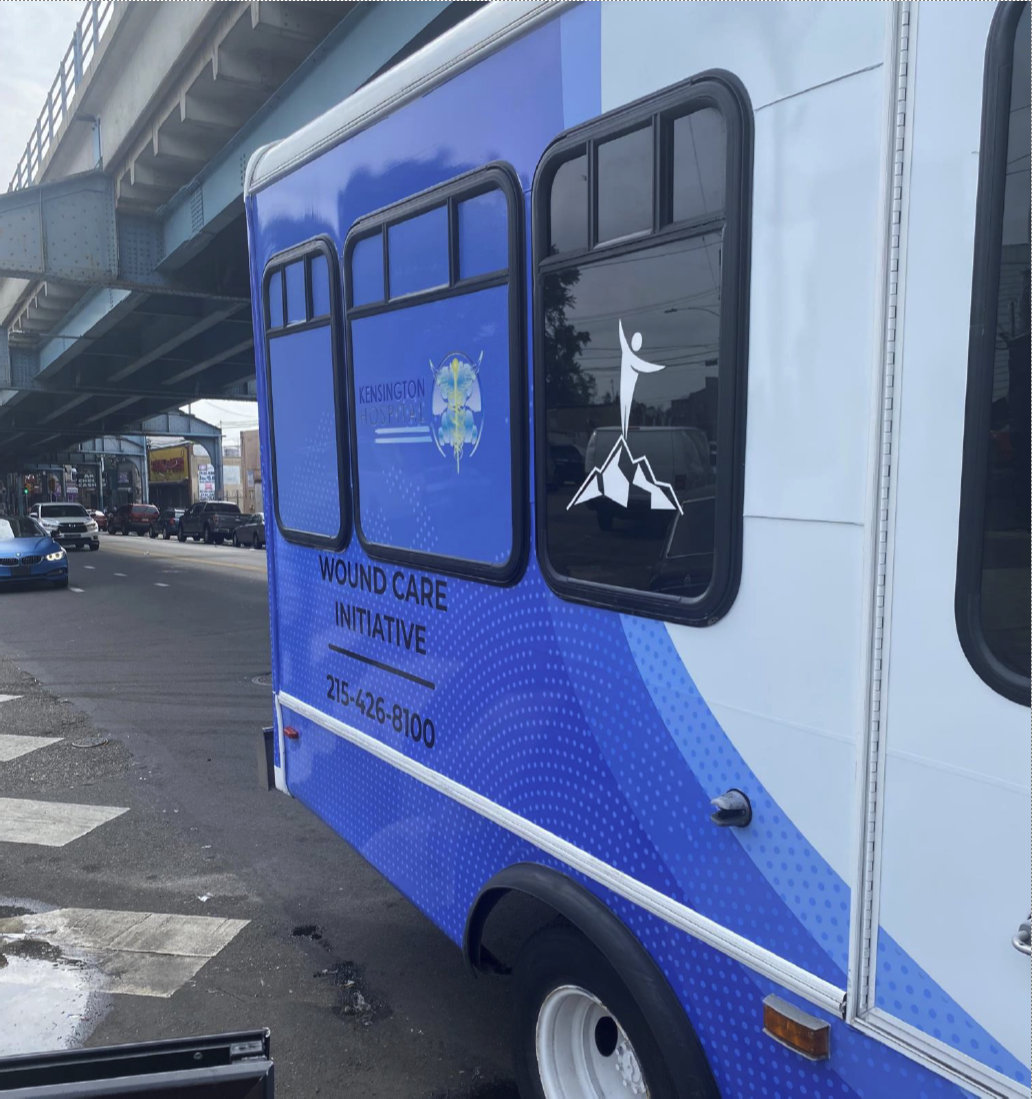
Treatment of wounds is a prerequisite for entering shelters and residential recovery programs. Most shelters have strict rules around substance use, which can be a barrier to entry for some; treating wounds is a first step toward recovery. Untreated wounds can lead to infection and, in extreme cases, amputation. This increases long-term health needs and can make permanent housing placement more difficult.
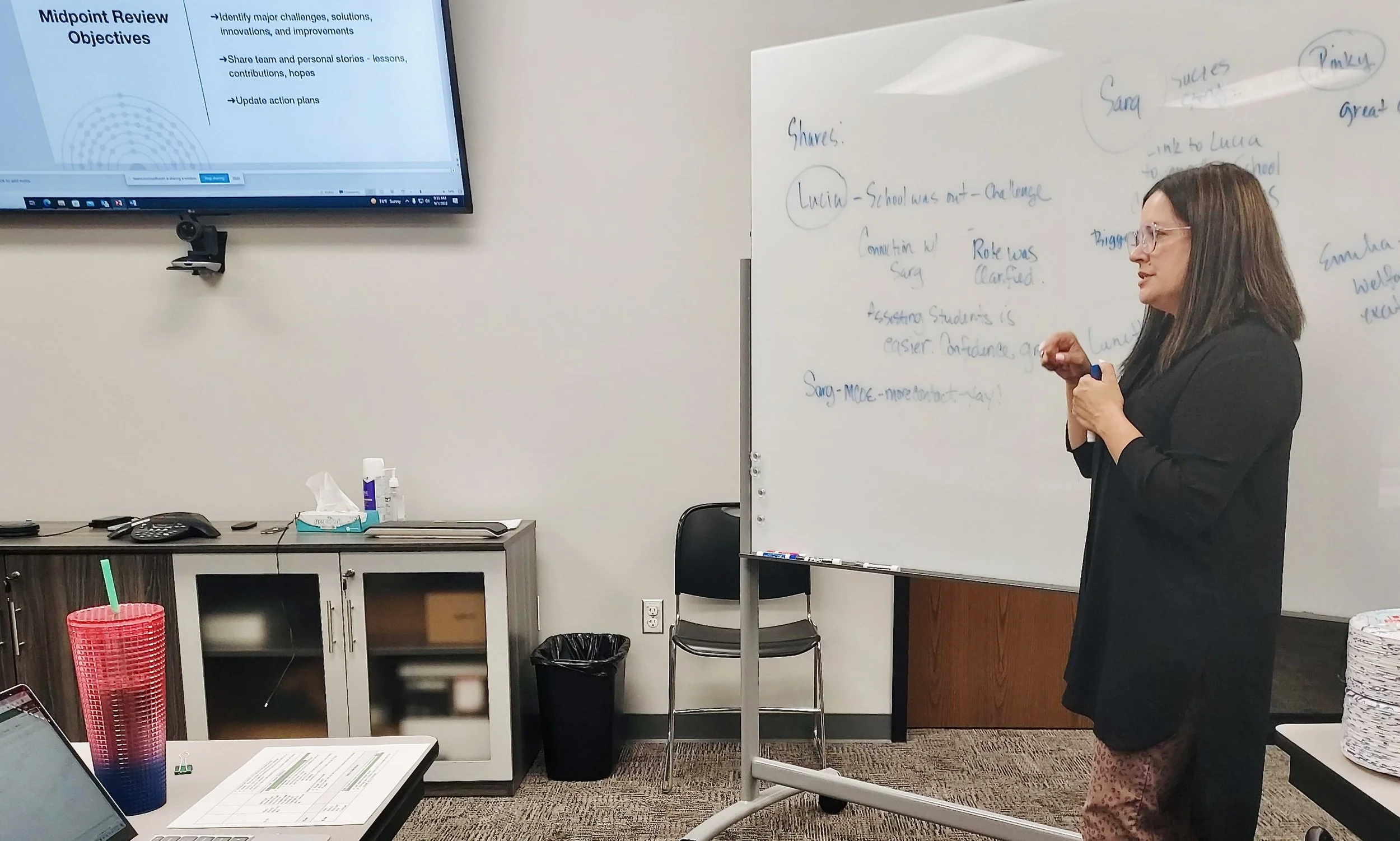
"Holy moly, it was, like, a pop!" - Christy McCammond, Program Manager at Merced County Human Services Agency

As a part of our journey to make equity a central part of what we do and an actionable part of our internal and external policies and practices, we hope to be transparent and share highlights of what we’ve learned and unlearned. We will be the first to own that this is a journey without a reachable destination, and we humbly acknowledge how far we still have to go but share these lessons in the hope that they will be helpful to others on their own equity journeys.


Catalyzing frontline staff to create successful, innovative solutions to complex challenges is a positive step in itself. But when those innovations are taken and adopted in a different area, the impacts are massively increased, and the possibility of wide-scale, systemic change starts to become a reality. This is what happened with one of the innovations generated through RE!NSTITUTE's 100-Day Challenge methodology.

Rapid Results Institute has now become RE!NSTITUTE, still offering the same impactful methodologies and partnerships.

Bringing together four California communities to discover new pathways to helping vulnerable populations move toward safe and stable housing.

“People deserve a seat at the table they’ll be discussed at.” – Sean Whitten, RE!NSTITUTE CEO